
Read The Environment
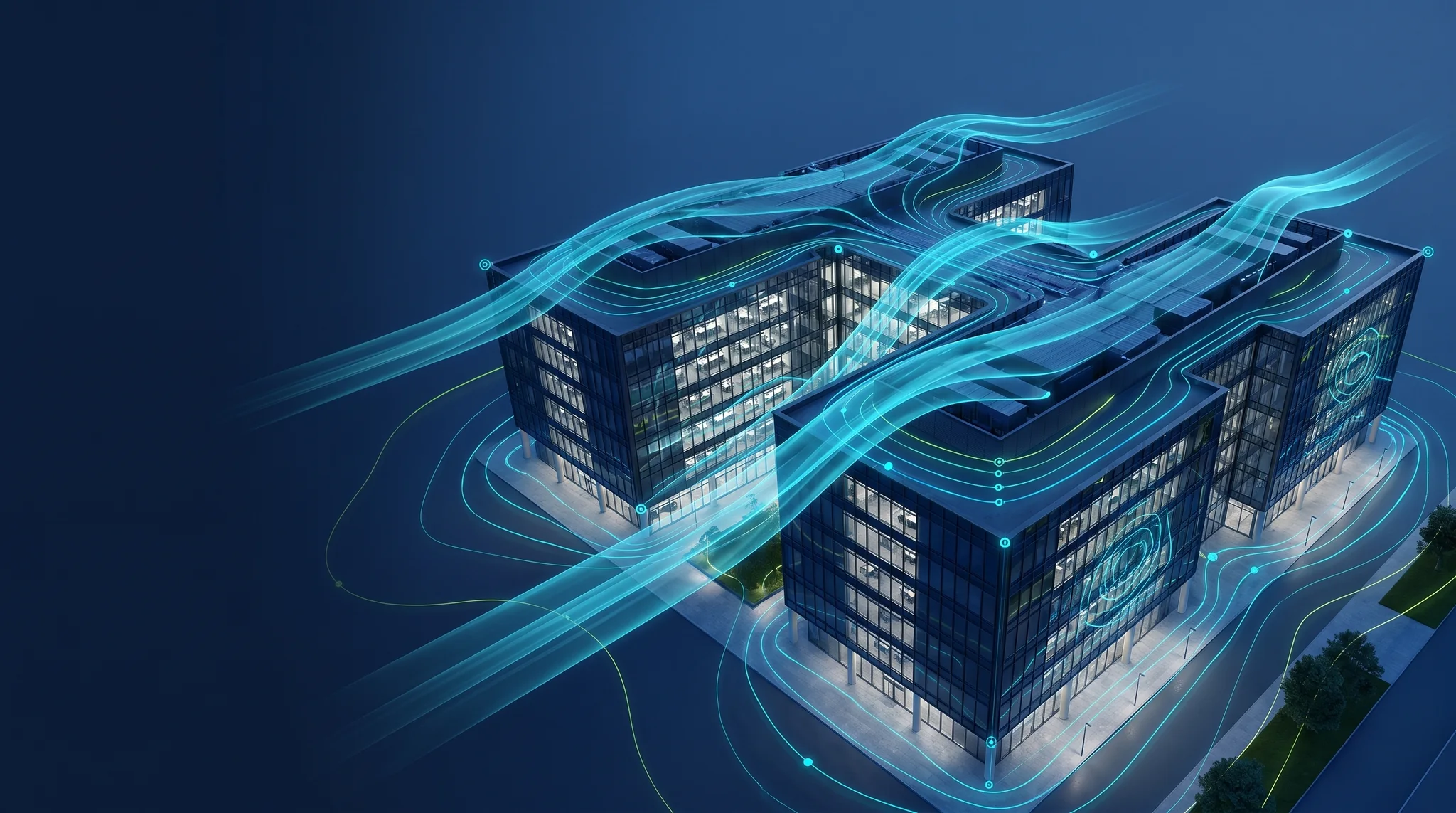
The built environment changes how wind moves. AirPlus technology is considered around airflow behaviour, exposure, pressure and movement across suitable locations.
 Request Review
Rethinking Wind Technology For Commercial Environments
AirPlus technology challenges the traditional idea that wind generation belongs only in open land, remote locations or large scale infrastructure.
Built around a more compact engineering approach, it creates a new wind energy opportunity for suitable commercial, industrial, public sector and infrastructure environments.
For organisations that may never have considered wind a practical option, AirPlus opens a new technical conversation.
The Wind Problem Most Buildings Were Never Designed To Solve
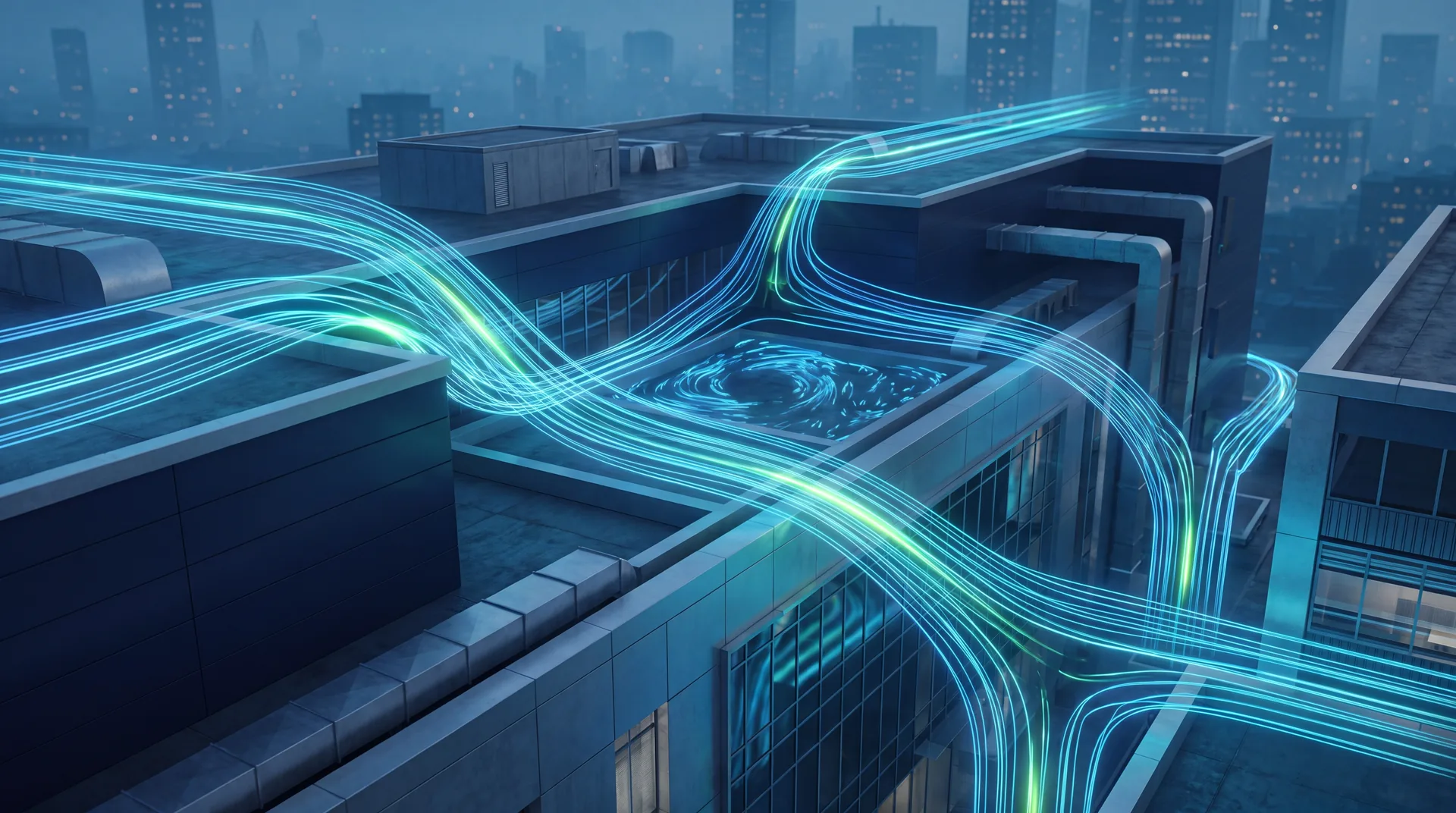
Commercial buildings do not sit outside the wind environment. They shape it.
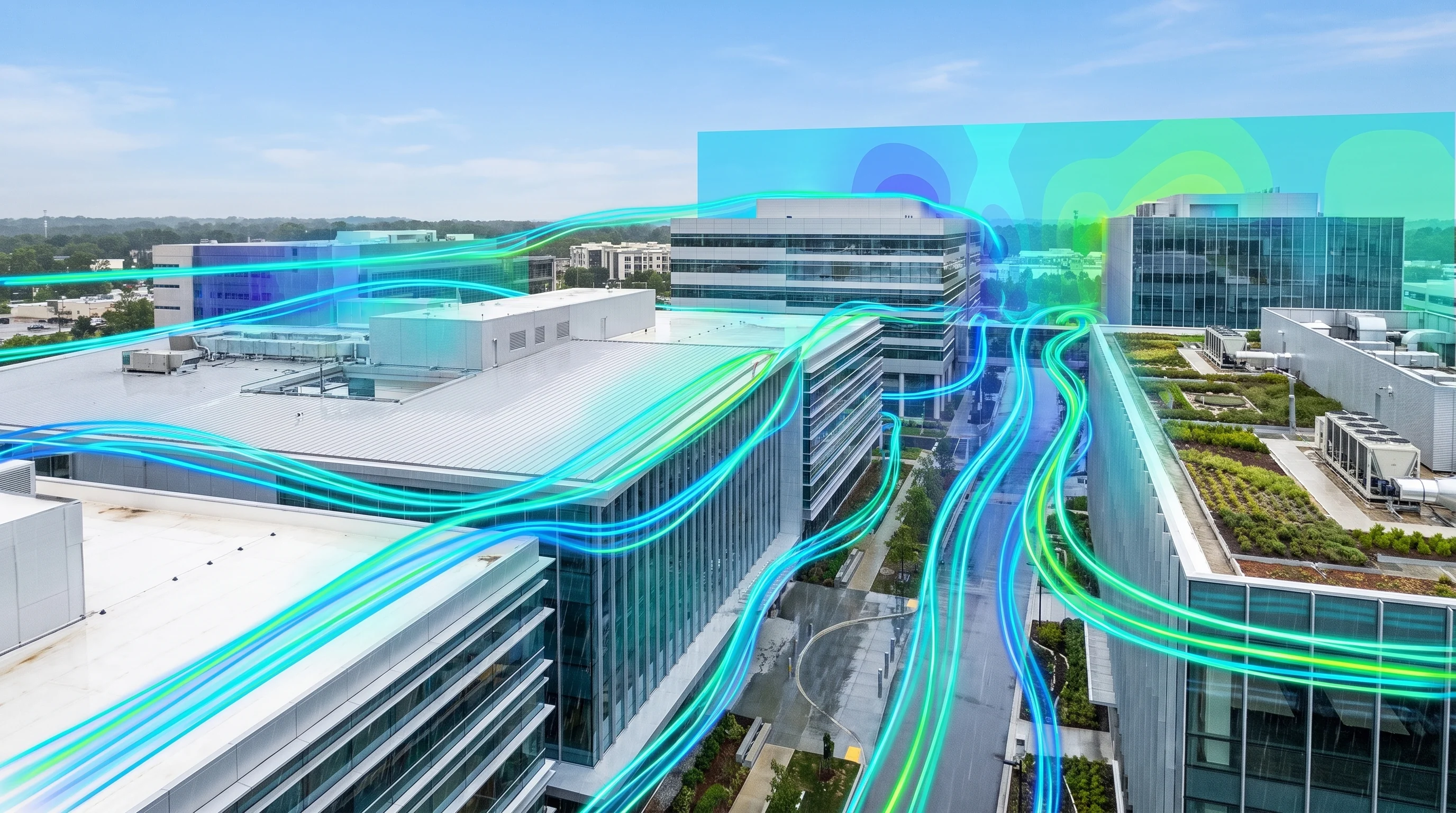
As wind moves around rooftops, edges, elevations and nearby structures, it can accelerate, lift, compress and shift direction.
The opportunity is not about redesigning buildings. It is about understanding whether the wind already moving around a suitable site can be assessed in a more useful way.
Wind can speed up around building edges, rooflines and narrow gaps.
Air movement can lift over rooftops and shift through changing pressure zones.
Buildings can create swirling, uneven and disrupted airflow patterns.
Some commercial environments may hold wind conditions that have not previously been considered.
01 / 04Accelerated Flow
The AirPlus Engineering Approach
AirPlus technology starts with a different view of wind.
Rather than treating wind generation as something limited to large open spaces, the engineering approach considers how air behaves around real buildings, structures and exposed commercial environments.
Wind can accelerate, shift, compress and become turbulent. The opportunity is in understanding that movement and creating a compact renewable system that can be assessed around it.
Engineering Logic
The built environment changes how wind moves. AirPlus technology is considered around airflow behaviour, exposure, pressure and movement across suitable locations.
The system is designed to explore how compact wind generation can respond to real wind conditions across commercial, industrial, public sector and infrastructure environments.
The goal is to turn suitable wind movement into a renewable generation opportunity that can be reviewed within a wider energy strategy.
Key Technology StatementAirPlus is not simply making wind smaller.
It is changing where wind can be considered, how it can be assessed and how suitable environments may contribute to the future of decentralised renewable energy.
01 / 03Read The Environment
From Wind Movement To Usable Energy
Wind is movement. The technology challenge is turning that movement into useful electrical output.
AirPlus technology is designed to interact with wind, convert movement through the system and create renewable generation that can be considered within a wider energy setup.
Wind moves through the surrounding environment and reaches the system.
The rotor responds to the movement of air passing through the turbine.
Mechanical movement is converted into electrical generation.
The generated power can then be reviewed within the wider site energy system.
01 / 04Airflow

XEVA Micro Wind As The First Technology Application
XEVA Micro Wind brings the AirPlus engineering approach into a product that organisations can clearly understand and explore.
It challenges the idea that wind energy only belongs in open fields, remote locations or large scale turbine sites.
Explore XEVA Micro Wind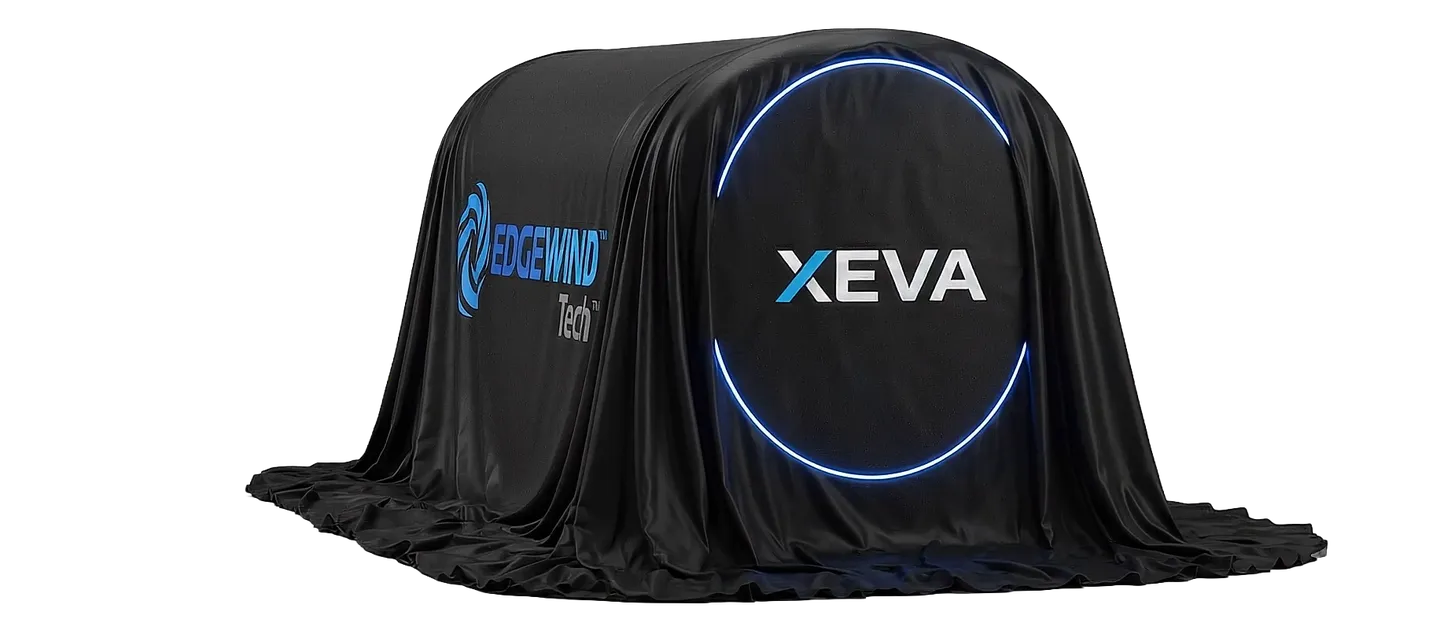
Product Focus
A smaller format designed to open up new conversations around where wind technology may be considered.
Developed around built environments, exposed sites and the way wind behaves around real structures.
Explore the XEVA Micro Wind page for product positioning, application context and key characteristics.
Engineering Confidence And Technical Development
AirPlus technology has been developed through a serious engineering process, supported by product refinement, technical review, wind tunnel testing and manufacturing preparation.
View Technical OverviewTechnical Confidence Areas
The system has gone through a focused development process shaped around airflow behaviour, performance understanding, durability and real world application.
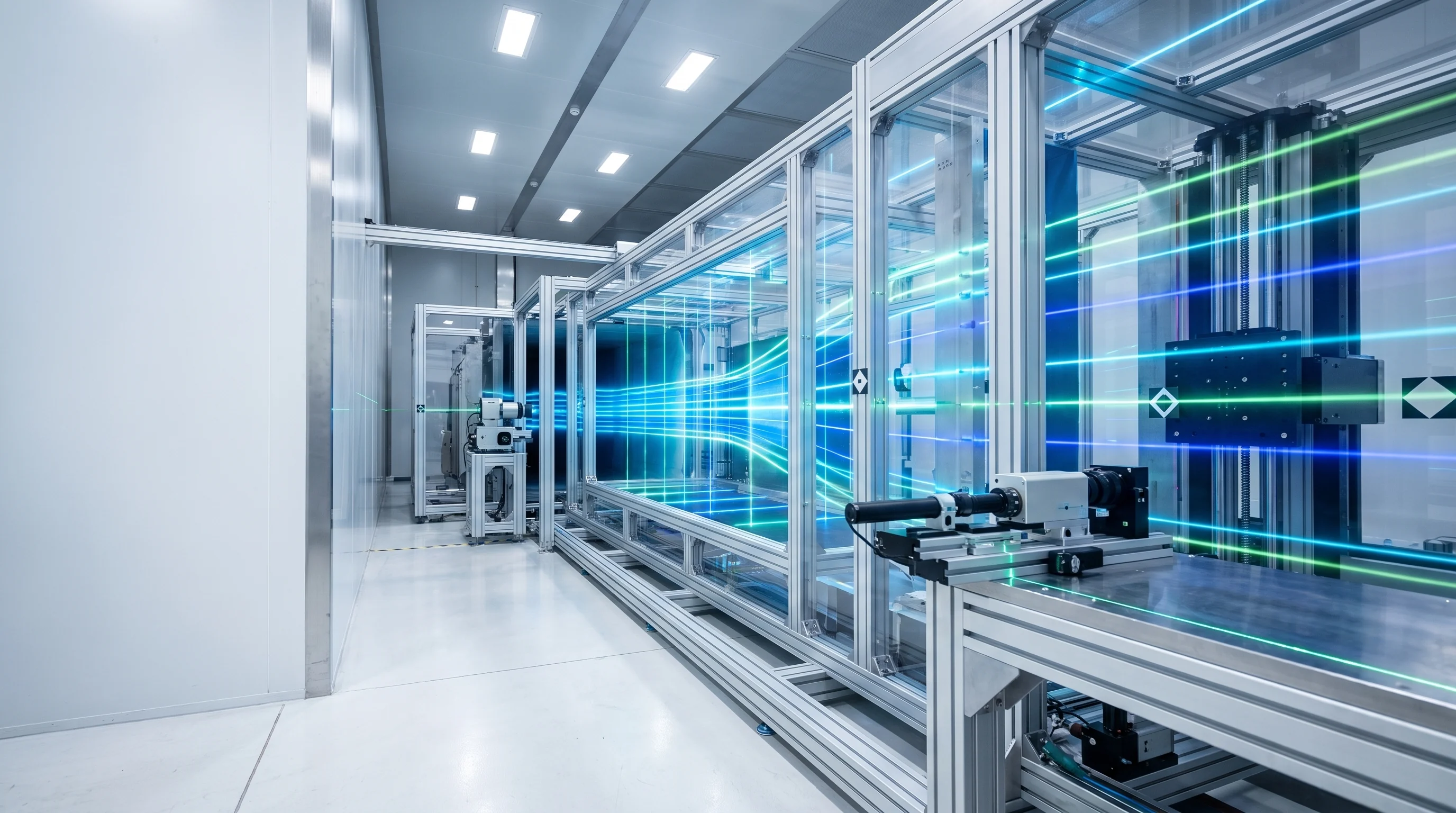
Wind tunnel testing has helped support technical learning, product refinement and a clearer understanding of how the system performs under controlled conditions.
The manufacturing pathway has been developed with precision, quality and commercial readiness in mind.
Approved technical information, assumptions and supporting documents should sit within the dedicated Technical Overview page for deeper review.
Technology In A Wider Energy System
AirPlus technology should not be viewed in isolation.
Its role becomes more meaningful when considered alongside the wider energy picture: existing supply, solar, storage, monitoring and long term estate planning.
The opportunity is not about choosing one technology over another. It is about understanding how wind could add another renewable layer to a more balanced energy strategy.
Wider Energy StrategyAirPlus technology can be considered alongside the electricity infrastructure already serving the site.
Wind, solar and storage can each play a different role depending on site conditions, generation profile and operational need.
The wider picture includes how energy is generated, monitored, controlled and used across the site.
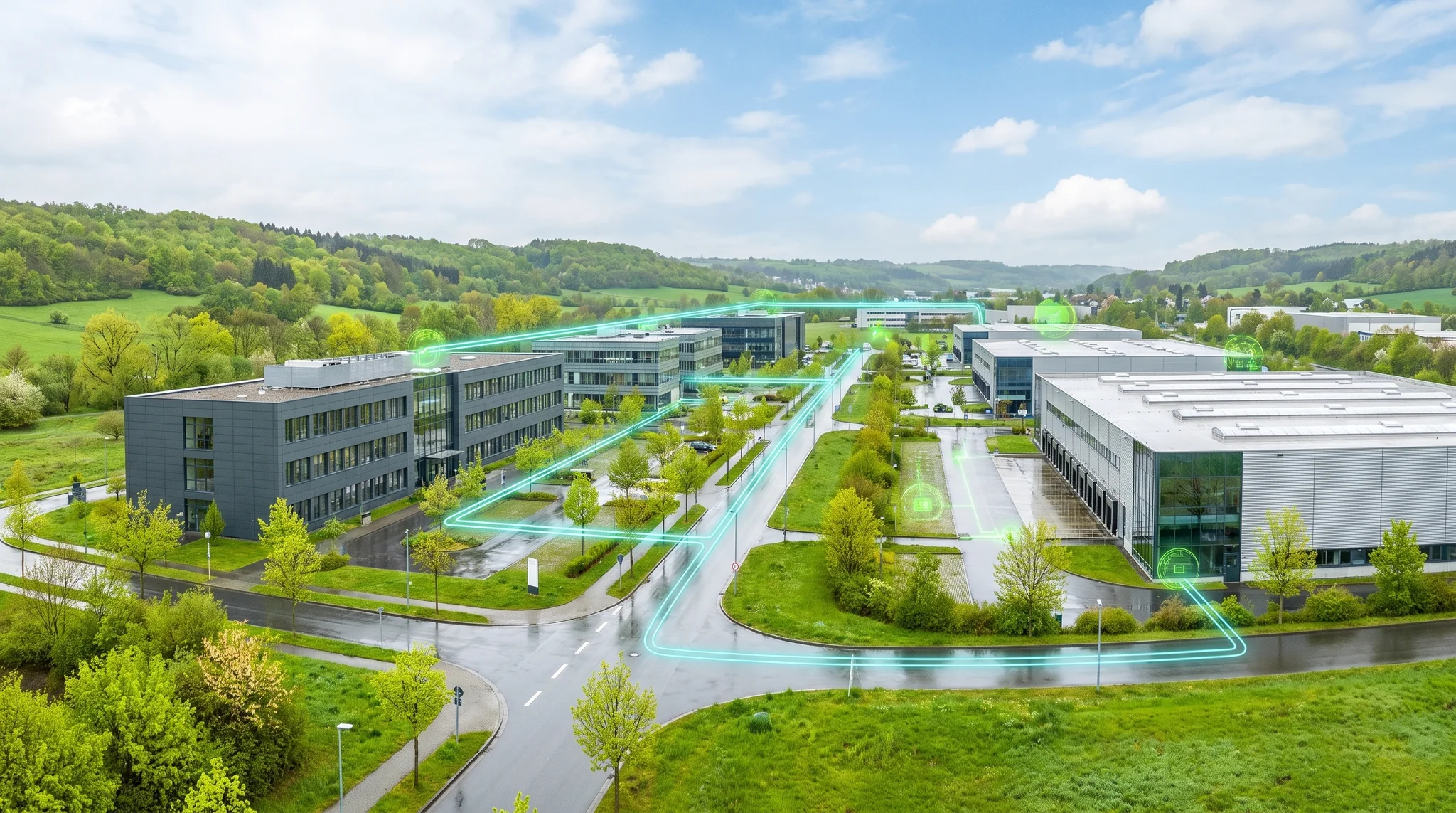
For larger organisations, the question is not one building in isolation. It is how suitable locations across the estate could contribute to a broader energy strategy.
01 / 04Existing Supply
Final Technology CTA
Explore the XEVA Micro Wind system, review the technical detail and understand how AirPlus technology can be assessed for suitable commercial environments.